
Companion Plantings That Support Rose Health
Specialty Plant Sales in Houston for gardens adding pollinator-friendly plants, flowering perennials, and ornamental shrubs that complement rose plantings
Companion plants for roses serve multiple functions beyond visual appeal—certain perennials attract beneficial insects that prey on aphids and thrips, while deep-rooted selections mine nutrients from lower soil layers and make them available to shallower rose roots through decomposing leaf litter. The Rare Petal Rose Garden sells flowering perennials, ornamental shrubs, and pollinator-friendly plants chosen for their compatibility with rose cultural requirements, focusing on species that tolerate the same soil pH, water needs, and sun exposure rather than plants that compete for resources or harbor pests that migrate to roses. Seasonal garden additions shift based on what thrives during Houston's spring and fall planting windows, when temperatures allow new plants to establish before summer heat or winter cold stresses root development.
Pollinator-friendly plants include salvias, penstemons, and native milkweeds that provide nectar for bees and butterflies, increasing pollinator activity across the entire garden and improving fruit set on any roses grown for hips. Unique nursery selections often include underutilized perennials and shrubs that perform well in Gulf Coast gardens but rarely appear in big-box nursery inventories, giving you access to plants that differentiate your landscape from standard retail plantings.
Request current availability to confirm which companion plants are in stock for your planting timeline.
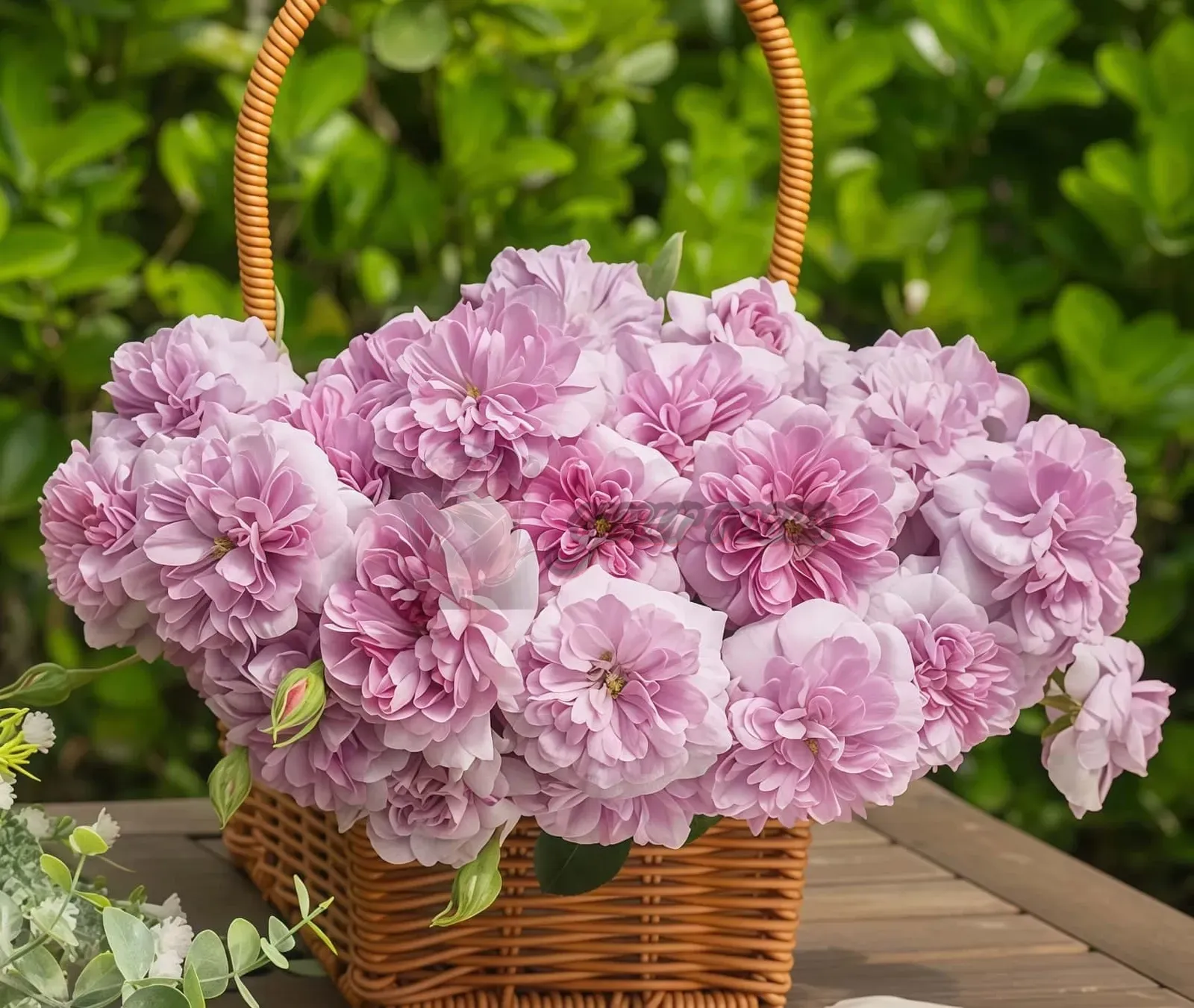
What Proper Companion Planting Accomplishes
Flowering perennials planted in drifts around rose beds create visual interest during periods when roses aren't blooming, filling gaps in the display and extending color across the growing season. Plants like catmint, salvia, and hardy geraniums bloom prolifically in spring and fall when temperatures moderate, then reduce flowering during peak summer heat, mirroring the bloom cycles of many roses and creating coordinated flushes of color. Ornamental shrubs with evergreen or colorful foliage provide structure during winter when roses go dormant, maintaining garden definition year-round rather than leaving empty beds.
You'll notice that gardens combining roses with layered companion plantings attract more beneficial insects and fewer pest outbreaks, since diverse plantings support predator populations that keep aphids, spider mites, and thrips below damaging levels. Pollinator activity increases visibly when nectar sources bloom continuously, with bees and butterflies moving between companion plants and roses throughout the day.
Some companion plants have allelopathic effects, releasing compounds that suppress weeds or deter certain pests, though these effects are subtle and work best as part of an integrated approach rather than functioning as standalone pest control. Plant spacing matters—companions placed too close compete for water and nutrients, while those set too far apart fail to create the visual cohesion that makes mixed plantings look intentional rather than random.
Common Questions About This Service
Customers often ask about selecting compatible plants and managing mixed plantings through Houston's variable weather.
What makes a plant a good companion for roses?
It should tolerate similar soil conditions, water needs, and sun exposure without competing aggressively for resources, and ideally it attracts beneficial insects, provides visual contrast, or fills bloom gaps when roses aren't flowering heavily.
When should I plant perennials and shrubs around roses?
Fall planting from October through November allows roots to establish during cooler months, giving plants a stronger foundation before summer heat, though container-grown stock can be added in early spring if you provide consistent irrigation through the first growing season.
How do I choose pollinator-friendly plants for my garden?
Look for species with accessible flower shapes that allow bees and butterflies to reach nectar easily, avoid double-flowered cultivars that hide or eliminate nectar structures, and select plants with staggered bloom times to provide food sources across the entire growing season.
What spacing works for companion plants near roses?
Most perennials should be planted at least 18 inches from rose canes to avoid root competition and allow air circulation, while shrubs need two to three feet of clearance depending on their mature size and root spread.
Can companion plants reduce pest problems on roses?
Diverse plantings support beneficial insect populations that prey on common rose pests, and some plants like alliums and marigolds may deter certain insects through scent, but companion planting works as part of an integrated approach rather than replacing proper rose care and monitoring.
The Rare Petal Rose Garden evaluates each specialty plant for its performance in Houston gardens, focusing on selections that establish reliably and complement rose plantings without requiring drastically different care. Call (308) 455-0539 to discuss which companion plants suit your garden's current layout and growing conditions.