Structures That Guide Roses Upward Year After Year
Custom Garden Trellis Sales in Houston for roses that need vertical support and architectural definition
The Rare Petal Rose Garden builds decorative trellises designed specifically for climbing roses and garden focal points, offering both metal and wood options in custom sizing. Whether you're training a vigorous climber along a fence line or creating a dramatic vertical element in a perennial bed, the trellis serves as both functional support and architectural statement. Houston's long growing season means roses put on substantial growth each year, requiring structures that can handle weight and expansion without shifting.
A well-designed trellis distributes the weight of mature canes evenly while providing enough depth for air circulation, which reduces fungal pressure in humid climates. The framework needs to accommodate tie-points at regular intervals as new growth emerges, and the material selection affects how heat transfers to the plant during summer months. Metal options offer durability and narrow profiles, while wood provides a softer aesthetic and slightly better insulation against temperature extremes.
Request installation recommendations based on your specific rose variety and garden layout.
What Proper Trellis Selection Requires
Choosing the right trellis starts with understanding the mature size and growth habit of the rose it will support. Ramblers with long, flexible canes need wide horizontal spacing, while large-flowered climbers with stiffer wood require closer vertical supports that can handle the weight of blooms without bowing. Custom sizing allows the structure to fit the space precisely, whether it's filling a narrow side yard or spanning an eight-foot garden wall.
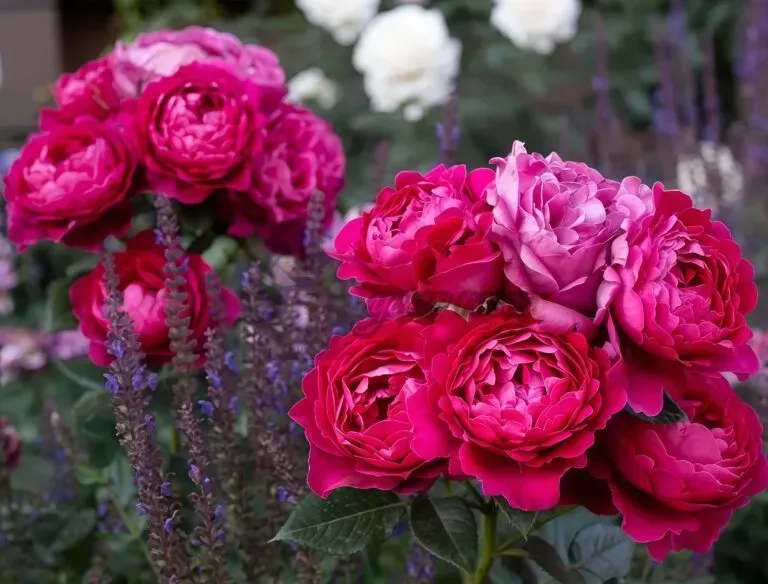
Once installed and planted, you'll notice how the trellis frames the view and creates depth in the garden. The rose establishes upward growth rather than sprawling, and blooms appear at eye level and above instead of concentrating low on the plant. The structure remains visible during winter dormancy, maintaining garden interest even when canes are cut back for the season.
The Rare Petal Rose Garden provides guidance on spacing from walls and fences to prevent heat buildup and allow access for pruning. Material finish affects longevity, and attachment methods vary depending on whether the trellis will be freestanding or mounted to existing surfaces. These decisions shape how the installation performs over years of growth cycles.
What Gardeners Usually Ask
Selecting and installing a trellis involves matching the structure to the rose's growth pattern and the garden's exposure conditions.
What material works best for Houston's climate?
Metal trellises withstand humidity without rotting, but they heat up quickly in direct sun, which can stress tender new growth in contact with the structure. Wood options treated for outdoor use provide better temperature moderation and a natural appearance, though they require periodic inspection for moisture damage in areas with poor drainage.
How do I determine the right size for my rose?
Measure the mature height and spread listed for your specific variety, then add at least one foot in each dimension to accommodate natural growth variation. Climbers sold as six to eight feet often reach ten feet in favorable conditions, and the trellis should support that potential without requiring replacement as the plant matures.
When should the trellis be installed relative to planting?
Install the trellis before planting to avoid damaging the root system with post-holes or anchors. This also allows you to position the rose at the correct distance from the structure, typically twelve to eighteen inches, which provides space for air movement and prevents the base of the plant from staying too wet.
What attachment methods work for training canes?
Soft ties made from fabric or rubber allow for stem expansion and can be adjusted as canes thicken. Avoid wire or rigid fasteners that cut into the bark as the plant grows. Tie canes loosely in a horizontal or gently arching pattern to encourage flowering along the entire length rather than just at the tips.
How does trellis placement affect bloom production?
Structures positioned to receive at least six hours of direct sun support heavier flowering, while those in partial shade produce more foliage. In Houston, afternoon shade can reduce heat stress during July and August, but morning sun is critical for drying dew and reducing disease pressure on leaves and buds.
The Rare Petal Rose Garden provides installation recommendations tailored to your garden's layout and sun exposure. Contact us at (308) 455-0539 to discuss custom sizing and material options for your specific rose variety.