Structures That Define Garden Spaces Functionally
Garden Decor & Ornamental Features in Houston for properties that need focal points and spatial definition
Garden arches, decorative structures, and statement pieces create visual anchors that organize sight lines and define transitions between garden areas. The Rare Petal Rose Garden designs custom-crafted ornamental features that serve as both functional plant supports and architectural elements, whether framing a pathway, marking an entrance, or creating height in flat landscapes. These structures remain visible year-round, maintaining garden interest during dormant seasons when perennials die back and annuals are removed.
An arch positioned at a garden threshold signals movement from one space to another, while obelisks and decorative supports add vertical dimension to low plantings. The material, finish, and scale of each piece affect how it integrates with surrounding plants and hardscape. Metal options develop patina over time, softening into the landscape, while wood weathers to gray unless sealed or painted to maintain original color.
Request a design consultation to review placement options and structural styles suited to your garden's layout.
How Ornamental Features Address Garden Structure
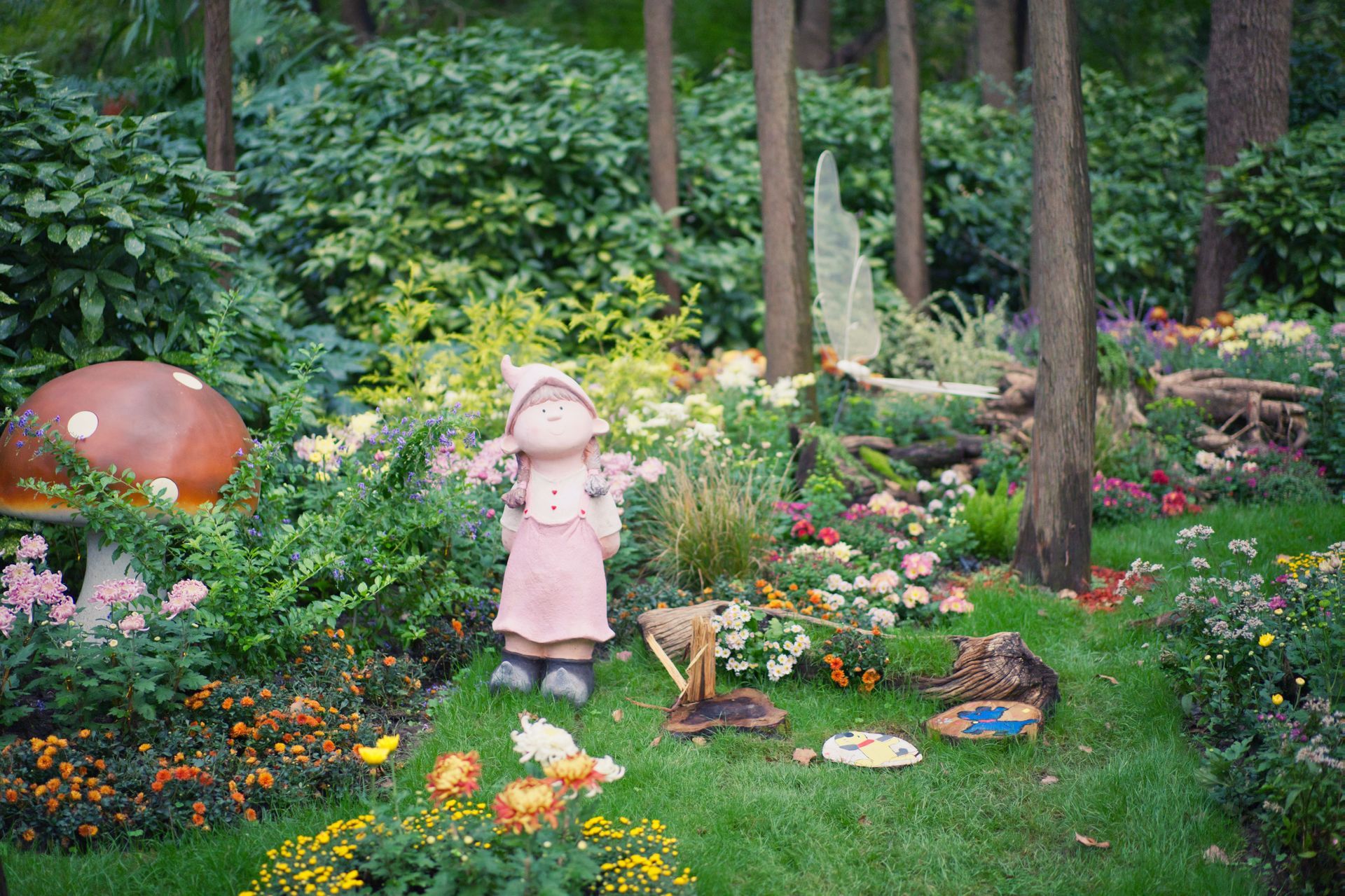
Decorative structures divide large planting areas into comprehensible sections, preventing the eye from skimming past without engagement. An arch covered in climbing roses draws attention down a path, while a freestanding accent piece in a perennial border creates a stopping point that slows movement through the space. These elements work year-round, providing form even when seasonal plants are absent or dormant.
After installation, the structure immediately establishes scale and proportion in the garden. Pathways feel more intentional when framed by arches, and flat beds gain dimension when vertical elements are introduced. As climbing plants mature around the features, the metal or wood framework remains partially visible, creating layers of texture and reinforcing the designed nature of the space rather than letting it read as purely naturalistic.
Ornamental features include considerations like clearance height for arches positioned over walkways, anchoring methods for freestanding pieces in windy conditions, and finish durability in full sun exposure. Some designs incorporate integrated planters at the base, while others remain purely structural. These functional details shape how the feature performs and how much maintenance it requires over time.
Questions Before Adding Ornamental Structures
Selecting and positioning garden decor involves balancing aesthetic goals with practical considerations like access, plant compatibility, and long-term durability.
What placement creates the strongest visual impact?
Position arches and focal pieces where sight lines naturally terminate, such as at the end of a path or in the center of a view from a frequently used window. Avoid placing statement pieces too close to property edges where they compete with neighboring elements or lose visibility against background clutter.
How do I choose between rustic and modern ornamental styles?
Rustic designs with hand-forged details and weathered finishes complement cottage gardens, informal landscapes, and properties with traditional architecture. Modern pieces with clean geometry and uniform finishes suit contemporary homes, formal gardens, and minimalist planting schemes. Mixing styles within a single garden creates visual confusion unless carefully planned around distinct zones.
What maintenance do decorative structures require?
Metal features may need periodic cleaning to remove algae or oxidation buildup, particularly in shaded areas with high humidity. Wood structures benefit from annual inspections for loose joinery, rot at ground contact points, and finish deterioration. Resealing or repainting extends lifespan but requires access that becomes more difficult once climbing plants establish.
How does scale affect ornamental feature success?
Undersized pieces disappear visually in large gardens, failing to create the intended focal point, while oversized structures dominate small spaces and restrict planting options. Measure the viewing distance and surrounding plant heights at maturity to select proportions that remain visible without overwhelming the area.
What materials withstand Houston's weather conditions best?
Powder-coated steel resists rust and holds color longer than paint in humid conditions, while untreated metals develop patina that some gardeners prefer for aged character. Cedar and other rot-resistant woods perform well if kept off direct ground contact, but they require more frequent refinishing than metal to maintain appearance and structural integrity.
The Rare Petal Rose Garden creates custom ornamental features designed for your specific garden conditions and aesthetic preferences. Contact us at (308) 455-0539 to discuss design options and site-specific placement recommendations.