Elevated Planting Space That Improves Root Conditions
Custom Planter Boxes & Raised Garden Beds in Houston for roses, vegetables, and flowers that need controlled soil and drainage
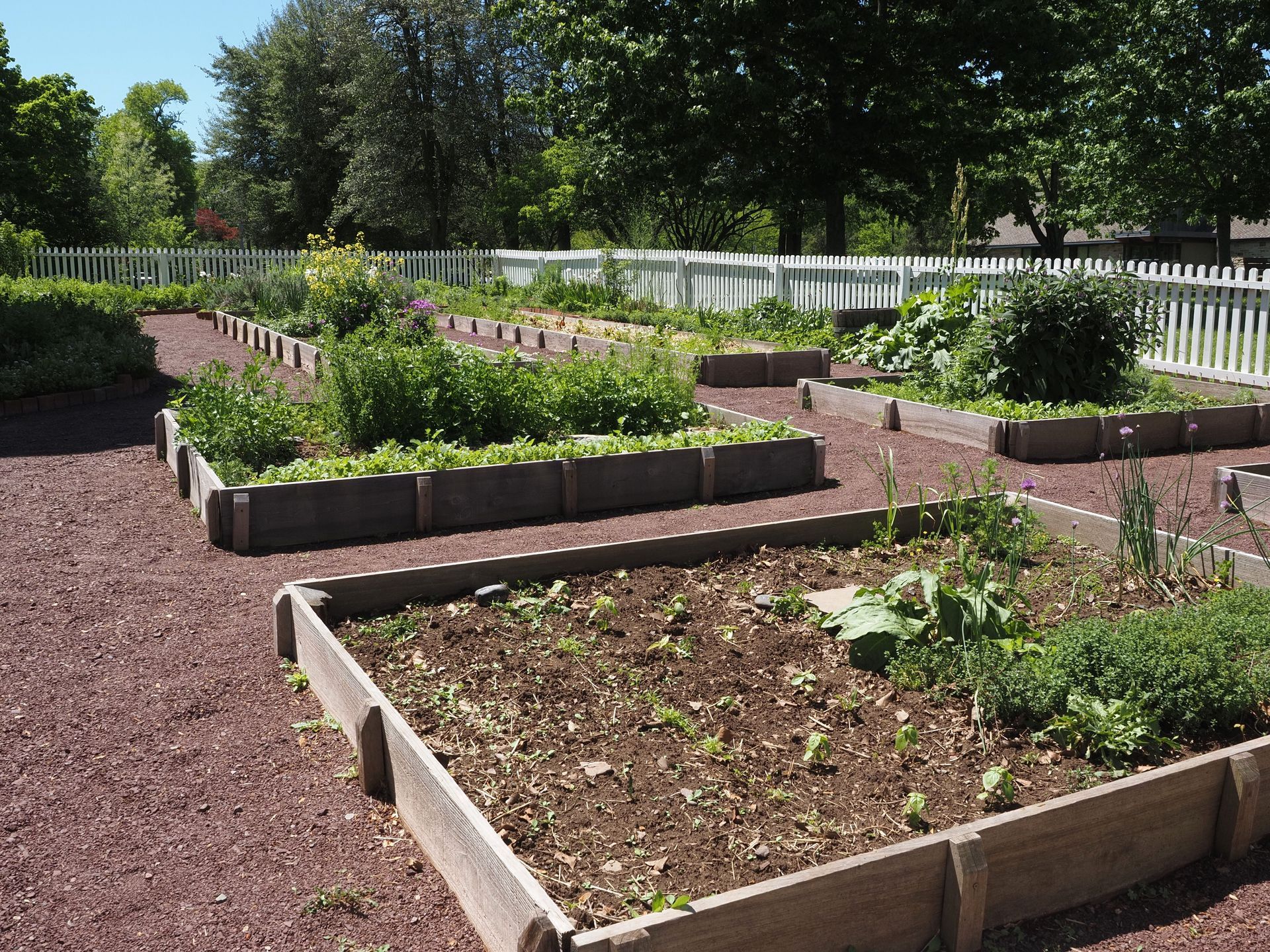
Heavy clay soils and poor drainage limit root development and increase disease risk, particularly for roses that require good air exchange around the root zone. The Rare Petal Rose Garden builds cedar planter boxes and raised beds in custom dimensions, creating controlled growing environments that bypass problematic native soil. Raised beds warm earlier in spring, drain more predictably after heavy rain, and allow you to build soil structure from scratch using amendments suited to specific plants.
Cedar resists rot naturally without chemical treatment, making it safe for edible gardens and long-lasting in humid climates. Custom sizing allows beds to fit existing hardscape, follow property lines, or create specific planting zones for roses, vegetables, or mixed borders. The height of the bed affects both root depth and accessibility, with taller constructions reducing bending for maintenance and providing more insulation against temperature fluctuations.
Arrange an on-site consultation to determine bed dimensions and placement based on your garden's sun exposure and drainage patterns.
What You Notice Once Raised Beds Are Planted
Soil in raised beds drains within hours of heavy rain rather than remaining saturated for days, which prevents root suffocation and fungal problems. The elevated planting surface brings flowers and foliage closer to eye level, making it easier to spot pest activity, nutrient deficiencies, or disease symptoms early. Weeding becomes faster because you're working in defined, controlled soil rather than battling established roots from surrounding areas.
Plants establish faster because roots move easily through amended, loose soil instead of fighting compacted clay. Roses bloom more heavily when roots access consistent moisture and nutrients without waterlogging, and vegetables produce earlier yields because soil temperatures warm faster in spring. The defined edges create clear garden boundaries, preventing grass encroachment and making mulch application more efficient.
Raised beds require initial soil filling, and the volume needed depends on depth and footprint. Beds for roses and perennials benefit from at least twelve inches of depth, while vegetables and annuals perform well with eighteen inches or more. Lining the bottom with hardware cloth prevents burrowing pests, and incorporating compost into the base layer improves moisture retention in sandy or fast-draining mixes.
Common Questions About This Service
Designing and installing raised beds involves decisions about materials, dimensions, and soil composition that affect plant performance for years.
What bed height works best for different plants?
Roses and perennials need at least twelve inches of soil depth for root development, while deeper-rooted vegetables like tomatoes and carrots perform better with eighteen inches or more. Taller beds reduce bending during planting and weeding but require more soil volume to fill, increasing initial material costs.
How does cedar compare to other materials for planter construction?
Cedar contains natural oils that resist decay and insect damage without chemical treatment, making it safe for edible gardens and ensuring longevity in Houston's humid conditions. Untreated pine rots within a few seasons, and pressure-treated wood raises concerns about chemical leaching into soil where vegetables or herbs are grown.
What soil mix should I use to fill raised beds?
A blend of compost, topsoil, and drainage material like perlite or coarse sand creates structure that retains moisture while preventing waterlogging. Roses prefer slightly acidic mixes with good organic content, while vegetables benefit from higher nutrient levels replenished with compost between growing seasons.
How do I prevent soil from washing out during heavy rain?
Lining the interior with landscape fabric allows water to drain while keeping soil in place, particularly in taller beds where sidewall pressure increases. Avoid plastic liners that trap water at the bottom, creating anaerobic conditions that damage roots and reduce the drainage benefits of raising the bed.
What spacing is needed between multiple raised beds?
Leave at least two feet between beds for comfortable access with wheelbarrows, hoses, and garden tools. Wider paths accommodate kneeling or sitting during planting and harvesting, and the spacing prevents plants in adjacent beds from shading each other as they reach mature size.
The Rare Petal Rose Garden fabricates planter boxes and raised beds sized for residential and estate gardens throughout Houston. Call (308) 455-0539 to discuss custom dimensions and material options for your planting plan.