Historic Cultivars Few Nurseries Still Grow
Rare & Collector Rose Varieties in Houston for gardeners seeking heirloom roses and limited-release cultivars unavailable through standard retail channels
A collector-grade rose specimen arrives with documentation tracing its lineage to a specific breeding program or historic garden, often accompanied by notes on the cultivar's original introduction date and the conditions under which it was first grown. The Rare Petal Rose Garden sources hard-to-find heirloom roses and limited-release cultivars through specialty growers who maintain mother stock of varieties that commercial nurseries stopped propagating decades ago, giving you access to roses that disappeared from mainstream catalogs when disease resistance and repeat blooming became the dominant selection criteria. These plants often require more specific care than modern hybrids, but they produce flower forms, fragrances, and growth habits that no longer exist in contemporary breeding lines.
Historic garden roses include Alba, Damask, Gallica, and Bourbon classes, each with distinct bloom schedules and pruning requirements that differ from the continuous flowering expected of modern roses. Exclusive inventory includes cultivars released in limited quantities by breeders testing new color ranges or fragrance compounds, which may never reach wide distribution if commercial interest doesn't justify large-scale propagation. Specialty sourcing locates specific varieties requested by customers who need a particular rose to complete a heritage garden restoration or who collect roses by breeder, era, or geographic origin.
Contact the nursery with the specific cultivar name or description to confirm whether it can be sourced through current grower networks.
Why Collector Roses Require Different Handling
Many heirloom varieties bloom only once per season, concentrating their energy into a single heavy flush in late spring rather than reblooming through summer like modern cultivars bred for continuous color. This means pruning must happen immediately after bloom to avoid removing next year's flower buds, and feeding schedules shift to support cane development in late summer rather than forcing additional bloom cycles that the plant's genetics don't support. Disease resistance varies widely, with some historic roses showing remarkable tolerance for black spot and mildew, while others require preventive fungicide applications to maintain foliage through the growing season.
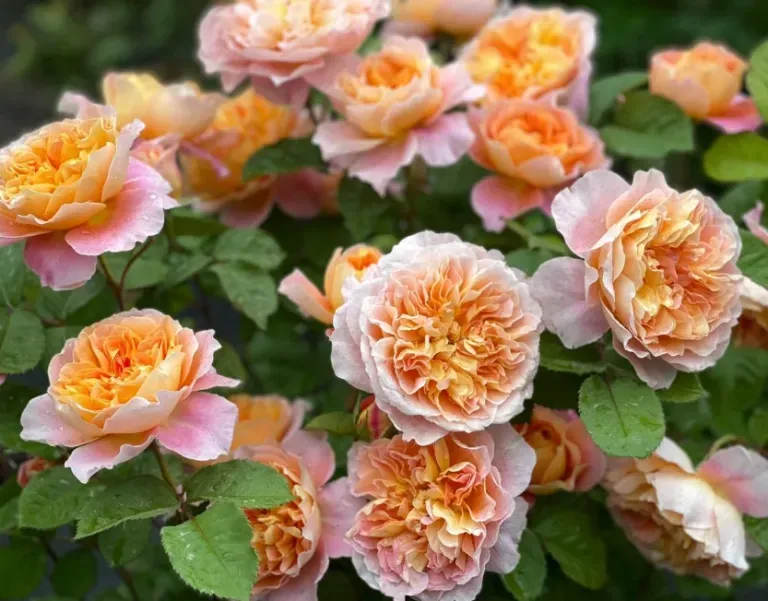
Once established, you'll notice that many collector varieties produce intensely fragrant blooms with complex scent profiles that layer citrus, spice, and musk notes, a trait largely lost in modern breeding that prioritized visual traits over fragrance chemistry. Flower forms range from tight, quartered blooms that never fully open to loose, ruffled petals that shatter within days, and cane growth can be lax and spreading rather than upright, requiring different support structures than what works for hybrid teas.
Some rare cultivars arrive as own-root plants rather than grafted specimens, which means they grow more slowly in the first two years but can regenerate from the roots if winter damage or disease kills the top growth. Own-root roses also avoid the suckering problem common with grafted plants, where vigorous rootstock canes overtake the desired variety if not removed promptly.
Common Questions About This Service
Customers often need guidance on sourcing specific varieties and understanding the care differences between collector roses and modern hybrids.
How do I know if a rose qualifies as a collector variety?
It typically refers to cultivars no longer in commercial production, roses introduced before 1950, or limited-release varieties produced in quantities too small for mass-market distribution, often identified by breeder name and introduction year rather than trademarked marketing names.
What makes heirloom roses harder to find than modern varieties?
Many were propagated through cuttings shared between gardeners rather than commercial nurseries, and their single-bloom habit or susceptibility to specific diseases made them uneconomical to produce once repeat-blooming, disease-resistant hybrids dominated consumer demand.
Can heirloom roses handle Houston's heat?
Some historic classes like Chinas and Teas originated in warm climates and tolerate heat better than European roses bred for cooler summers, but others struggle with humidity and require afternoon shade or extra airflow to prevent fungal pressure during the Gulf Coast growing season.
How long does specialty sourcing take?
It depends on whether the cultivar is currently in propagation at a specialty grower or needs to be located through collector networks, with lead times ranging from a few weeks for varieties in active production to several months for rare specimens that require custom grafting.
What documentation comes with collector-grade specimens?
Most include the cultivar name, breeder or introducer, year of introduction, and any known synonyms, helping you verify the plant's identity and research its specific cultural requirements before planting.
The Rare Petal Rose Garden maintains relationships with specialty growers across multiple regions, expanding the range of varieties that can be sourced beyond what appears in current inventory. Provide the specific rose name and any known details about its origin to begin the sourcing process.