Fragrance and Form From Earlier Eras
Heirloom & Antique Roses in Houston for cottage gardens, heritage restorations, and landscapes prioritizing fragrance over continuous bloom
Old garden roses pre-date the 1867 introduction of the first hybrid tea and include classes like Albas, Damasks, Gallicas, Bourbons, and Portlands, each with distinct growth habits and bloom schedules that differ significantly from modern repeat-flowering varieties. Heritage varieties produce flower forms ranging from tight, quartered blooms that spiral inward to loose, flat flowers with exposed stamens, and many carry intense fragrance bred for perfume extraction rather than the visual traits that dominate contemporary rose breeding. The Rare Petal Rose Garden focuses on disease-resistant selections within these historic classes, sourcing cultivars that survived in gardens through decades of neglect because their genetics tolerate fungal pressure and poor soil better than roses requiring constant intervention to remain healthy.
Cottage garden favorites like 'Madame Hardy' and 'Königin von Dänemark' grow into large shrubs that need space to spread, while compact Gallicas suit smaller beds where their suckering habit can be contained. Preservation of historic cultivars ensures that rose forms and fragrances developed over centuries remain available to gardeners rather than disappearing as commercial growers focus exclusively on patented modern hybrids. Disease resistance in heirloom roses often comes from species genetics that resist black spot and mildew naturally, though some varieties still require preventive care in Houston's humid climate.
Schedule a consultation to identify which heirloom classes match your garden's soil conditions and maintenance capacity.
How Heirloom Roses Address Fragrance Expectations
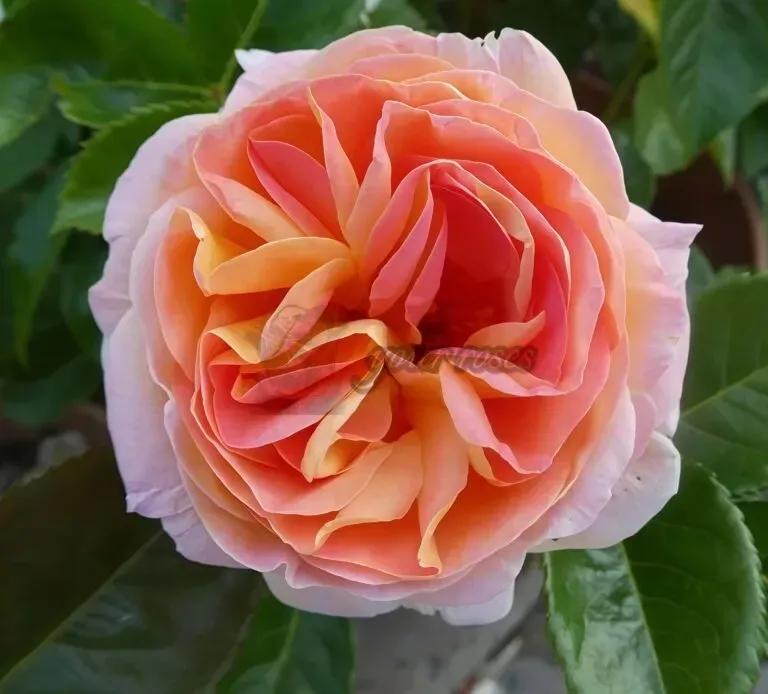
Fragrant blooms in antique roses come from complex essential oil mixtures that produce layered scents—myrrh, clove, fruit, and honey notes that shift as flowers age—rather than the simple, sweet fragrance common in modern hybrids. These scent compounds are most intense in cooler morning temperatures and fade as heat accelerates oil volatilization, so fragrance is often strongest before 10 a.m. and again in early evening as temperatures drop. Many old garden roses bloom once per season in a heavy spring flush, directing all their energy into a concentrated display rather than spacing bloom across months, which means pruning must happen immediately after flowering to avoid cutting off next year's buds.
After planting disease-resistant heirloom selections, you'll notice they maintain cleaner foliage through summer humidity compared to susceptible modern varieties, often keeping their leaves into late fall without the defoliation that plagues roses lacking natural disease tolerance. The Rare Petal Rose Garden evaluates each heritage variety for performance in Gulf Coast conditions before adding it to inventory, focusing on cultivars that have proven themselves in Houston-area gardens rather than those that thrive only in drier or cooler climates.
Some antique roses grow on their own roots rather than grafted onto modern rootstock, which means they establish more slowly but regenerate from below ground if winter damage or disease kills the top growth. Own-root plants also avoid the rootstock suckering problem, where vigorous growth from below the graft overtakes the desired variety if not promptly removed, simplifying long-term maintenance.
Questions Before Starting Your Project
Gardeners often need clarity on bloom schedules, space requirements, and care differences between heirloom and modern roses.
What makes a rose qualify as an heirloom or antique variety?
It typically refers to cultivars introduced before 1867 or those belonging to old garden rose classes like Albas, Damasks, Gallicas, Centifolias, and Mosses, which were developed before modern hybrid teas dominated breeding programs.
Why do many heirloom roses bloom only once per year?
Their genetics predate the repeat-blooming trait introduced through China rose crosses in the 19th century, so they flower on old wood produced the previous season and concentrate energy into a single heavy flush rather than continuous bloom cycles.
How much space do heritage roses need?
Many old garden roses grow into large shrubs reaching five to eight feet tall and wide, requiring more garden space than compact modern varieties, though some Gallicas and Portlands stay smaller and suit beds with limited room for spreading plants.
Can antique roses handle Houston's humidity and heat?
Disease-resistant selections with Alba, Rugosa, or China genetics tolerate Gulf Coast conditions better than European roses bred for cooler climates, but many still benefit from afternoon shade and good airflow to reduce black spot and mildew pressure during summer months.
What does disease-resistant mean for heirloom roses?
It indicates the variety maintains healthy foliage through the growing season without intensive fungicide applications, often due to natural resistance inherited from species roses rather than the susceptibility common in heavily hybridized modern cultivars.
The Rare Petal Rose Garden maintains detailed records on each heritage variety's performance in local gardens, including bloom timing, mature size, and disease tolerance observed over multiple growing seasons. Contact the nursery to discuss which antique roses suit your specific garden conditions and fragrance preferences.